Neuro-Balance Therapy Before and After Results – Real Customer Transformations
Ever wondered what kind of changes people really experience with Neuro‑Balance Therapy? Before and after transformations from real users can give you a clearer picture of whether this approach truly makes a difference or just sounds good on paper. Neuro‑Balance Therapy claims to improve mental stability, focus, and overall cognitive balance—but are the results noticeable in real life, or mostly underwhelming?
In this complete review of Neuro‑Balance Therapy before and after results, we’ll explore genuine customer transformations, compare timelines, highlight common improvements, and help you decide if the changes are worth your time.

👉 Don’t wait — Order Neuro-Balance Therapy from the Official Site
Understanding Balance Issues and Why They Occur
Before looking at transformation results, it’s important to understand why balance problems develop in the first place.
Balance is controlled by a complex system involving:
- The brain
- The nervous system
- Muscles and joints
- The inner ear
- Vision
When any part of this system weakens, balance can suffer.
One of the key nerves involved in maintaining stability is the peroneal nerve, which runs along the lower leg and controls foot movement and coordination.
When this nerve becomes less responsive due to aging, inactivity, or nerve dysfunction, people may experience:
- Slower reaction times
- Difficulty lifting the foot properly
- Poor walking stability
- Increased risk of stumbling or falling
Neuro-Balance Therapy aims to address this issue by stimulating the nerve and strengthening the muscles responsible for stability.
👉 Don’t wait — Order Neuro-Balance Therapy from the Official Site
What Is Neuro-Balance Therapy?
Neuro-Balance Therapy is a home-based training program designed to improve balance and coordination through simple exercises and nerve stimulation techniques.
The program typically includes:
- Step-by-step training videos
- A spike ball used for nerve stimulation
- Balance and coordination exercises
- Instruction guides for proper technique
The daily routine usually takes 10–15 minutes, making it easy for most people to incorporate into their schedule.
With consistent practice, the exercises aim to strengthen the connection between the brain, nerves, and muscles involved in maintaining balance.
Typical “Before” Situation: Challenges Users Face
Many people who start Neuro-Balance Therapy report similar struggles before beginning the program.
Difficulty Walking Steadily
One of the most common complaints is feeling unsteady while walking. People may feel as though their feet are not responding properly or that their body sways slightly when moving.
Fear of Falling
The fear of falling is a major concern, especially for older adults. This fear often leads people to avoid physical activity, which can make balance problems even worse over time.
Weak Lower Body Muscles
Weakness in the legs, ankles, and feet can reduce stability. Many people experience reduced muscle strength due to inactivity or aging.
Dependence on Support
Before starting the program, some individuals rely on furniture, railings, or walking aids to maintain stability while moving around their home.
Reduced Independence
Balance issues can limit a person’s ability to perform everyday activities such as:
- Walking outside
- Climbing stairs
- Standing for long periods
- Performing household tasks
These challenges can significantly affect quality of life.
Typical “After” Results: Improvements Users Report
After consistently following the program for several weeks, many users report noticeable improvements.
Improved Walking Stability
One of the most frequently reported changes is better walking stability. Users often say they feel more balanced while moving and less likely to stumble.
Stronger Leg and Foot Muscles
The exercises in Neuro-Balance Therapy target muscles in the legs, ankles, and feet. Over time, these muscles become stronger and provide better support for the body.
Better Coordination
Improved coordination allows users to move more smoothly and confidently.
This can make everyday activities such as turning, stepping over obstacles, or walking on uneven ground easier.
Increased Confidence
Many users report that improved balance leads to greater confidence while walking.
This psychological benefit can be just as important as physical improvements.
Greater Independence
As stability improves, many people feel more comfortable performing daily tasks without assistance.
This often leads to increased independence and a more active lifestyle.
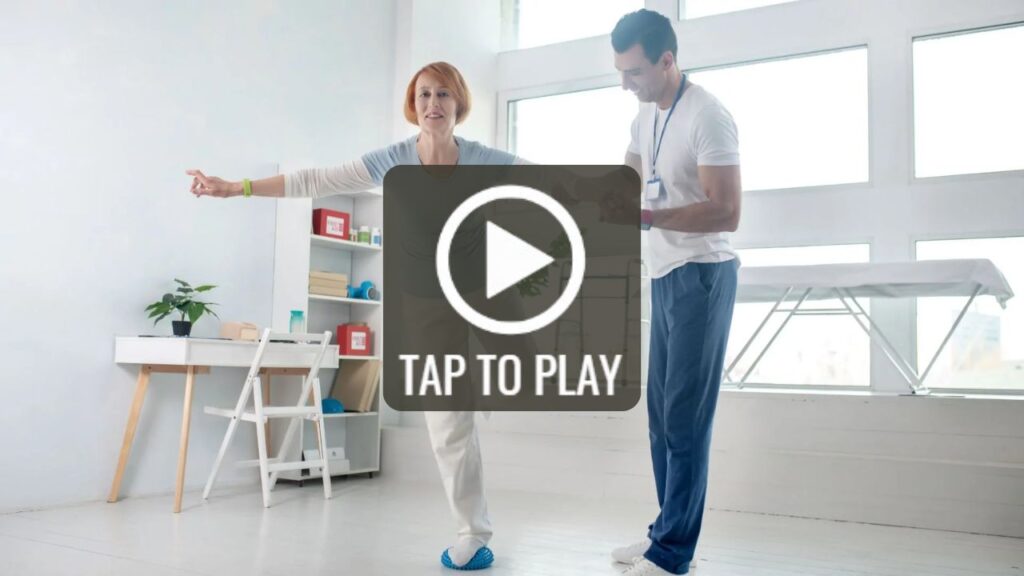

Real Customer Transformation Stories
Customer reviews and testimonials often highlight how the program has helped people regain confidence and stability.
Story 1: Regaining Walking Confidence
A woman in her early seventies reported that she had stopped walking outdoors because she felt unstable.
After several weeks of consistent practice, she said she began feeling more stable and confident while walking around her neighborhood.
Story 2: Standing Without Support
Another user shared that he previously needed to hold onto furniture while moving around his home.
After following the program regularly, he noticed that his balance improved enough that he could move more freely without relying on support.
Story 3: Returning to Daily Activities
A retired teacher explained that balance issues had gradually limited her ability to perform everyday activities.
After completing several weeks of the exercises, she reported feeling steadier and more comfortable performing tasks such as gardening and walking outside.
These stories reflect the types of improvements many users hope to achieve when starting the program.
Timeline of Expected Results
Although individual results vary, many users report similar stages of progress.
Week 1: Learning the Exercises
During the first week, users typically focus on learning the exercises and nerve stimulation techniques.
Some people notice slight improvements in foot responsiveness or coordination.
Weeks 2–3: Early Improvements
After a few weeks of consistent practice, many users report:
- Better standing balance
- Reduced wobbling while walking
- Slight improvements in leg strength
Weeks 4–6: Noticeable Changes
By the first month or so, users may experience more noticeable improvements such as:
- Stronger lower body muscles
- Improved coordination
- Greater walking confidence
Continuing the exercises helps maintain and strengthen these improvements.
Why Neuro-Balance Therapy May Produce Results
The program focuses on improving the connection between the nervous system and the muscles responsible for stability.
It uses several key principles:
Nerve Stimulation
The spike ball helps stimulate nerve endings in the foot, which may improve nerve responsiveness.
Muscle Strengthening
The exercises target muscles responsible for posture and balance.
Improved Brain–Body Communication
Consistent training helps the brain and muscles work together more efficiently during movement.
These combined effects can lead to improved balance over time.
Factors That Affect Results
Not everyone experiences the same results. Several factors influence how quickly improvements occur.
Consistency
Daily practice is the most important factor for success.
Skipping sessions may slow progress.
Age and Health Condition
People with mild balance issues may see improvements faster than those with severe mobility limitations.
Exercise Technique
Following the instructions carefully and performing movements slowly can help maximize results.
Pricing & Best Deals (2026)
According to the latest official pricing, Neuro-Balance Therapy is available in two options.
| Package | Price | What You Get | Shipping |
|---|---|---|---|
| Digital Version | Instant access to the digital program and bonuses | Free | |
| Physical DVD + Spike Ball (Best Seller) | DVD program + spike ball tool + digital access | Shipping & handling |
These options allow users to choose the format that best suits their needs.
Refund Policy
Neuro-Balance Therapy includes a 60-day money-back guarantee.
If customers are not satisfied with the program, they can request a full refund within 60 days of purchase.
This policy allows users to try the program without financial risk.
Final Verdict: Are the Before and After Results Real?
Many users report meaningful improvements in balance, coordination, and confidence after following Neuro-Balance Therapy consistently.
While results vary from person to person, common reported benefits include:
- Improved walking stability
- Stronger lower-body muscles
- Reduced fear of falling
- Greater independence in daily activities
Like any training program, success depends on consistent practice and patience.
Final Thoughts
Balance problems can limit mobility and reduce quality of life, but targeted exercises can help improve stability over time.
Neuro-Balance Therapy provides a structured approach to strengthening the nerves and muscles responsible for balance.
With regular practice and proper technique, many users report positive before-and-after transformations that help them regain confidence and mobility.
👉 Don’t wait — Order Neuro-Balance Therapy from the Official Site